- Small Dog Place Home
- Feeding
- Dog Food Ratings
How to Compare Dog Foods: Understanding Ingredients, Labels, and Quality
by Janice Jones Last Updated December 2025
Choosing a dog food can feel overwhelming. Shelves are filled with brands that claim to be premium, natural, holistic, or vet-approved, yet their ingredient lists often look confusing and inconsistent.
This guide is designed to help small-dog owners compare dog foods intelligently by understanding labels, ingredients, and quality indicators without relying on rigid rating systems or brand hype.
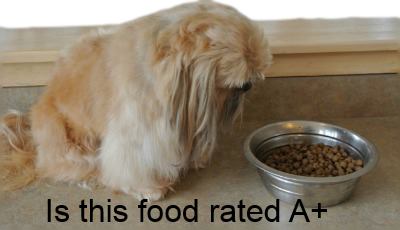

Why Comparing Dog Foods Isn’t as Simple as a Score
Many websites attempt to rank dog foods using numerical scores or letter grades. While these systems may look helpful at first glance, they often oversimplify a complex topic.
Dog foods cannot be judged accurately by a single formula because:
- Dogs have different nutritional needs
- Ingredients vary in quality and sourcing
- A food that works well for one dog may not work for another
- Instead of assigning scores, it’s more useful to understand how to read labels and what matters most when comparing foods.
Start With the Ingredient List
The ingredient list is one of the most valuable tools for comparing dog foods. Ingredients are listed by weight before cooking so that water content can affect the order.
Look for Clearly Identified Protein Sources
Specific animal proteins (such as chicken, turkey, or salmon) are easier to evaluate than vague terms like:
“meat”
“animal protein”
“poultry by-product”
Clear labeling gives you better insight into what your dog is actually eating.
Understanding By-Products and Meals
By-products and meat meals are often misunderstood.
By-products can include nutrient-dense organ meats, but quality varies widely depending on sourcing.
Meat meals are concentrated protein sources created by removing moisture; they are not inherently low-quality.
What matters most is transparency and manufacturing standards, not the presence or absence of a single term.
Ingredient Splitting: What to Watch For
Ingredient splitting occurs when similar ingredients (such as rice flour, ground rice, and brewer’s rice) are listed separately to make them appear less prominent.
While not inherently harmful, this practice can:
- Make a formula appear more meat-heavy than it is
- Obscure the actual carbohydrate content
Being aware of this technique helps you make more informed comparisons.
Preservatives, Colors, and Additives
Most dog foods require preservatives for shelf stability. The key is disclosure, not fear.
- Natural preservatives (like mixed tocopherols) are commonly preferred
- Artificial colors are unnecessary for dogs and usually add no nutritional value
A shorter, clearly explained ingredient list is often easier to evaluate than one packed with marketing language.
Grains, Grain-Free, and Individual Tolerance
Grains are not inherently bad for dogs. Many small dogs digest grains well and benefit from them as energy sources.
Grain-free diets should be chosen for specific reasons, such as documented intolerance, not trends. The best food is one your dog:
- Digests comfortably
- Maintains a healthy weight on
- Enjoys eating
Practical Factors That Matter More Than Labels
When comparing dog foods, also consider:
- Life stage (puppy, adult, senior)
- Size and metabolism (essential for small breeds)
- Availability (can you buy it consistently?)
- Affordability (long-term sustainability matters)
- Your dog’s response (stool quality, coat condition, energy)
A “perfect” food that your dog won’t eat, or that strains your budget, isn’t the right choice.
Before Switching Dog Foods
If your dog is healthy, maintaining weight, and thriving on their current food, there may be no reason to change.
If you do decide to switch:
- Transition gradually over several days
- Introduce small amounts first
- Monitor digestion, appetite, and overall comfort
Sudden changes can cause digestive upset even with high-quality foods.
A Balanced Way to Compare Dog Foods
There is no universal “best” dog food, only better choices for individual dogs.
Learning how to read labels and compare ingredients empowers you to:
- Ignore marketing hype
- Ask better questions
- Choose foods based on your dog’s real needs
Once you understand how to evaluate food quality, you’ll be better equipped to review brand comparisons and curated food lists.
Final Thoughts
Comparing dog foods is about education, not judgment. A thoughtful, informed approach leads to better long-term outcomes than any scoring system ever could.
By focusing on transparency, balance, and your dog’s individual response, you can make confident feeding decisions, one label at a time.
More About Janice (author and voice behind this site)
Janice Jones is a small dog specialist with a background in grooming, training, and animal behavior, combining hands-on breeding experience with degrees in psychology and counseling psychology. She has spent 50 years owning and caring for small dogs and 15 years breeding, with early work in veterinary hospitals and shelters, assisting with surgery, lab work, and client care. She shares practical advice at SmallDogPlace.com and across social platforms. A lifelong Shih Tzu enthusiast, she now works alongside her dogs, who rarely leave her side. Visit my " About Me " page for more details.
She is the creator of SmallDogPlace.com, MiracleShihTzu.com, and Smart-Knit-Crocheting.com. A lifelong Shih Tzu enthusiast, she now works alongside her dogs, who rarely leave her side.
Free Monthly Newsletter
Sign Up for Our Free Newsletter and get our Free Gift to You.
my E-book, The Top 10 Mistakes People Make When Choosing a Dog (and how to avoid them)